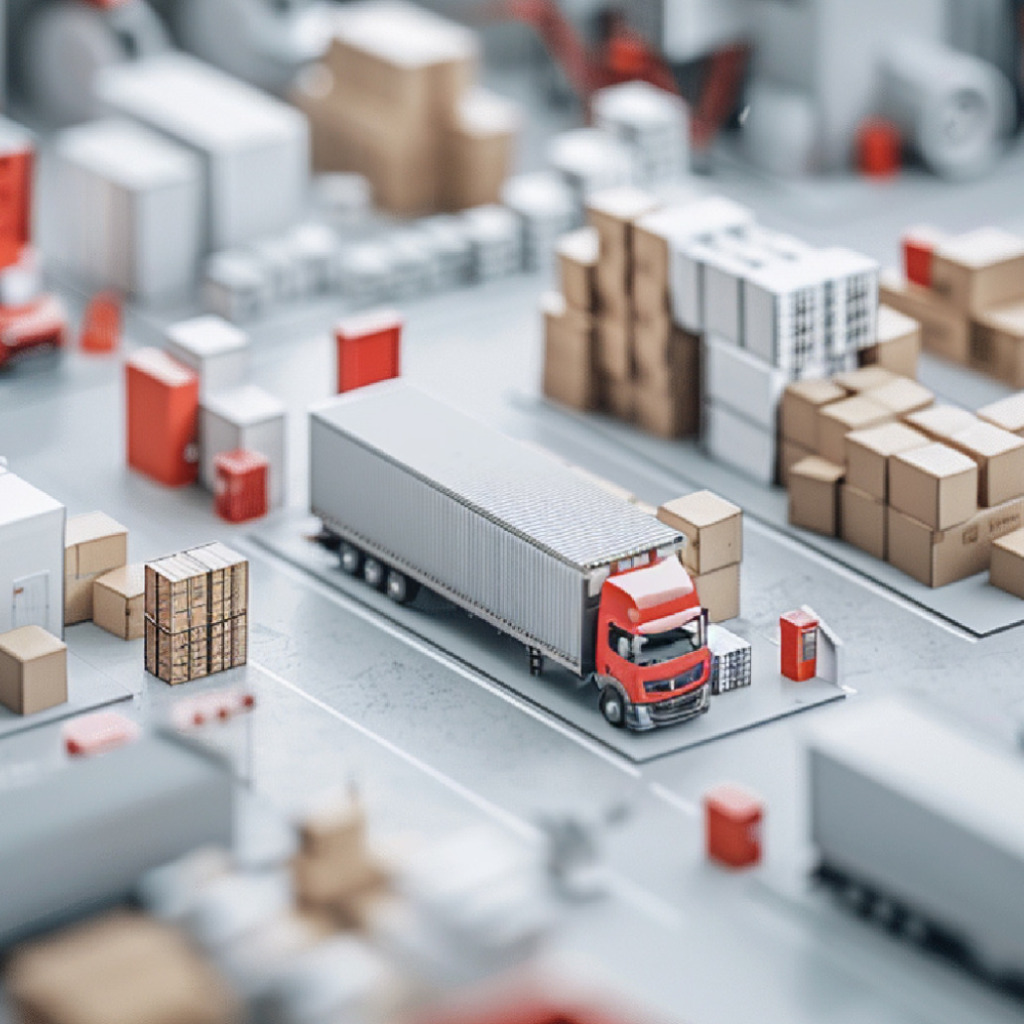
Why the Right Yard Management System Can Change Everything


The yard is often the most overlooked link in the logistics chain.
While companies invest heavily in warehouse automation, transportation networks, and ERP systems, the yard — a normally enclosed area that acts as a bridge between the warehouse and the road — is still largely managed by clipboards, spreadsheets, and radios. That gap is costing time, money, and trust across the supply chain.
Without an effective yard management system, delays pile up. Yard jockeys lose track of trailer location. Yard managers lack real time visibility into arrivals, departures, and gate congestion. Teams default to manual processes, and every stalled task eats away at your operational efficiency.
That’s where yard management system solutions come in. The right tools don’t just digitize your yard, they transform it. With features like automated scheduling, real time tracking, and advanced analytics, modern yard management software can reduce labor costs, streamline operations, and eliminate the inefficient use of yard assets.
This article explores how yard management technology is reshaping logistics operations. We’ll walk through the yard management processes that matter most, common yard management challenges, and how to evaluate yard management solutions that match your needs.
If you’re ready to turn your yard into a source of cost savings and complete visibility, this guide is for you.
What Is a Yard Management System?
A yard management system is a digital platform that monitors, coordinates, and optimizes the yard activities within a distribution center, manufacturing facility, or other logistics hub.
The goal? To improve flow, eliminate delays, and ensure trailers, yard trucks, and yard jockeys are in the right place at the right time.
At its core, yard management is the coordination of all yard activities that happen between the gate and the dock door. It covers everything from assigning trailers to dock doors to tracking yard inventory, managing yard assets, and orchestrating vehicle movements throughout the space. Done right, it keeps trucks moving, docks humming, and warehouses stocked.
But in most facilities, the yard is still the most chaotic part of the supply chain.
While warehouse management systems have improved inventory visibility inside the building, and transportation networks have been optimized with route planning and load tracking, the yard often remains a blind spot. It’s where manual processes, unclear scheduling, and outdated communication tools lead to long dwell times, missed appointments, and inefficient use of labor and equipment.
And yet, the yard plays a crucial role in the success of supply chain operations. It’s the point of connection between the road and the warehouse. If the yard is slow, your warehouse can’t function at full speed. If inbound and outbound loads are poorly managed, deliveries are late, and inventory accuracy suffers. In short, inefficiency in the yard ripples across your entire supply chain.
That’s why yard management systems are essential. These platforms offer enterprise-wide visibility and control, helping yard managers make informed decisions using real time data. From automated check in processes to trailer assignment, task management, and appointment management, modern yard management software is a strategic tool for logistics leaders looking to cut waste and raise performance.
Whether you’re running a single manufacturing facility or overseeing a network of distribution centers, the right yard management system brings discipline and clarity to the yard, unlocking new levels of operational efficiency and flexibility.
Why Yard Management Matters More Than Ever
Modern supply chain management is no longer about just moving products—it’s about doing so with speed, accuracy, and agility. Yard management directly affects:
- Dock door utilization
- Dwell times and trailer turns
- Labor allocation and task management
- Appointment adherence
- Driver wait times and customer relationships
As logistics grows more complex, yard inefficiencies lead to missed SLAs, fines, and reputational damage. Poor gate management and scheduling create bottlenecks that ripple through the entire supply chain. Yard management software is designed to keep those bottlenecks from ever forming in the first place.

Core Benefits of Yard Management Software
Yard management software is more than a tracking tool. It helps your team move faster, plan smarter, and reduce costly delays at every stage of yard operations.
Real Time Visibility
Yard management software provides real time tracking of trailers, containers, and equipment, reducing guesswork and human error. You know exactly where everything is—from inbound and outbound trucks to yard jockeys and dock doors—without needing to make a single call.
Reduced Operating Costs
By eliminating manual tasks and optimizing labor schedules, a strong yard management system reduces labor costs, fuel consumption, and overall operating costs. It minimizes wasted time, reduces idle trucks, and supports leaner operations.
Better Scheduling and Flow
Coordinated scheduling of inbound and outbound trucks ensures dock doors are used efficiently. This helps reduce traffic congestion at the yard entrance and prevents backups that affect logistics operations. Appointment management tools also allow for flexible changes, which helps teams adapt without disruptions.
Improved Regulatory Compliance
In industries where seal checks, gate logs, and inspection records are required, yard management software helps automate compliance. Digital records make audits easier and ensure your yard meets all regulatory standards without extra paperwork.
Stronger Customer Relationships
Reliable timelines and fewer delays create more trust with customers. When your dock door flow is predictable and your scheduling is accurate, you can deliver on time more often—and that improves long-term customer relationships.
Common Yard Management Challenges
If you’ve ever lost time waiting for a trailer that no one can locate, you already understand how fragile yard operations can be. The reality is, even small disruptions in the yard often have outsized effects on warehouse performance, transportation schedules, and customer satisfaction.
The most common yard management challenges typically stem from a lack of visibility and coordination. When yard managers don’t have access to real time data, they can’t see which trailers are loaded or empty, where specific assets are parked, or which dock door is available. That leads to backups, missed handoffs, and avoidable delays.
Even high-performing yards face challenges that a YMS can help solve. These include:
- Lack of real time data about trailer location
- Manual processes slowing down decisions
- Yard managers overloaded by multiple vendors and inbound volume
- Inefficient use of yard trucks and other equipment
- Gate congestion and delayed check-ins or check-outs
- Siloed systems with no connection between yard management and warehouse systems
Each of these issues creates friction that slows down the entire supply chain.
Manual processes only make the situation worse: tracking trailer locations on paper or relying on radio updates leads to frequent human error. The result? Missed shipments, wasted labor, and underutilized equipment. For operations managing multiple vendors, multiple yards, or both, the complexity multiplies fast.
Another key issue is gate management. When check-ins and check-outs aren’t automated, queues form at the entry point. This traffic congestion drives up operating costs, frustrates drivers, and throws off scheduling inside the yard. Without streamlined dock management, your warehouse team can’t plan properly, and outbound shipments get stuck waiting.
Over time, these small breakdowns in yard processes begin to erode trust. Carriers miss turn times. The warehouse stays idle. Customers don’t get their orders on time. And your teams are left scrambling to recover.
To fix this, companies need more than just added personnel. They need yard management solutions that offer complete visibility, real-time control, and the tools to automate repeatable tasks.
Key Features to Look for in Yard Management Solutions
Not every yard management system offers the same capabilities. Here are the key components to prioritize when choosing a platform:
Real Time Tracking
A good YMS tracks trailer location and equipment movement across the yard. Look for systems that use GPS or RFID to support complete visibility.
Automated Check-In and Check-Out
Gate automation is critical. By eliminating manual gate check-ins, you reduce congestion and free up staff time. Some platforms also offer autonomous vehicles or kiosks for check-in, reducing human error and boosting throughput.
Integrated Dock and Yard Scheduling
The best yard management solutions integrate scheduling with warehouse and transportation systems. That allows real-time updates for changes in arrivals, dock door availability, and driver wait times.
Task Management for Yard Jockeys
Assigning and tracking trailer moves ensures the right equipment is in the right place at the right time. Systems that provide task alerts and mobile dashboards for yard jockeys help keep things moving smoothly.
Analytics and Reporting
Yard management systems with advanced analytics offer data driven insights into operational performance. They help managers make informed decisions around staffing, trailer turns, and vendor performance.

Who Benefits from Yard Management Software?
Yard management software supports more than just the yard team. From warehouse staff to transportation planners, it brings clarity and coordination to every role connected to yard operations.
Distribution Centers
DCs experience high volume and fast movement. Yard management software brings structure to chaotic workflows, helping these facilities avoid backups and improve turnaround times for outbound loads.
Manufacturing Facilities
For plants receiving inbound raw materials or shipping outbound trucks on tight schedules, efficient yard operations support the timing of everything upstream and downstream from the floor.
3PLs and Multi-Yard Networks
Third-party logistics providers often manage multiple yards and work with multiple vendors. Having a centralized yard management system ensures enterprise wide visibility, coordination, and control across every location.
Integration Across the Supply Chain
A yard management system works best when connected to your broader tech stack. That includes:
- Warehouse management
- Transportation management systems
- Enterprise resource planning platforms
When all systems work together, your team gets a holistic view of supply chain execution, from the trailer gate to the customer’s door. It also helps identify inefficiencies, reduce delays, and improve operational excellence across business models.

The Future of Yard Management Technology
Emerging technologies are shaping what’s next. Machine learning, big data, and automation are making their way into yard systems, helping teams:
- Predict delays before they happen
- Identify patterns in trailer dwell times
- Recommend scheduling changes based on real time conditions
- Enable autonomous vehicle movements across larger yards
We’re moving toward smarter, faster yards with less manual oversight—and that’s good news for both customers and logistics teams.
Choosing the Right Yard Management System for Your Business
The best yard management system isn’t the one with the most bells and whistles—it’s the one that solves your most pressing problems and fits your existing infrastructure.
For some companies, that means automating check-ins and trailer assignments. For others, it’s about integrating across enterprise resource planning tools, warehouse management, and transportation management systems to enable real-time responsiveness.
So how do you choose the right system?
- Start by mapping out your yard management processes. Identify every manual step: trailer logging, gate management, dock management, move requests, reporting, and so on. This gives you a clear sense of your current gaps and helps you prioritize features. If automated scheduling, real time tracking, and strong task management can cut your labor hours in half, those should be top of your list.
- Consider your business models. Are you running a centralized distribution center, or juggling multiple yards across regions? Do you work with a wide range of carriers? The more complex your logistics network, the more value you’ll get from a scalable and configurable yard management software solution.
- Security and regulatory compliance matter, too—especially for high-risk industries like food, pharma, or manufacturing. Your yard management technology should offer real time visibility, access logs, and audit trails that help you stay compliant and agile.
- Finally, think long-term. The best software solution will support not just today’s volume, but tomorrow’s growth. As emerging technologies like machine learning and autonomous vehicles continue to evolve, your platform should be flexible enough to adapt. Look for vendors who are innovating, not just maintaining.
The yard has long been a hidden corner of supply chain management, but it no longer has to be a black box. With the right yard management system (YMS), you can bring order to the chaos, improve team coordination, and turn a historically reactive space into a well-oiled part of your supply chain.
From reduced labor costs and better asset control to faster dock turns and improved customer relationships, the ROI is clear. A smart investment in yard management solutions will strengthen your entire supply chain.