Using Artificial Intelligence in Supply Chain Management for Success


Artificial intelligence is rapidly transforming supply chain management by enhancing decision-making, improving efficiency, and increasing resilience. From demand forecasting to inventory management and real-time risk mitigation, AI tools are enabling companies to streamline operations, reduce costs, and better collaborate with supply chain partners. This article explores how AI technologies, such as generative AI, AI algorithms, and real-time data systems, are driving innovation across global supply chains and helping businesses stay competitive in an increasingly complex environment.
Unpredictable delays, rising transportation costs, and global crises have exposed critical weaknesses in many supply chains. These challenges leave businesses struggling to meet customer demands, manage inventory, and remain competitive in volatile environments. For companies that depend on smooth supply chains, these recurring disruptions pose ongoing risks to customer satisfaction and long-term growth.
To stay ahead, businesses need more innovative, more resilient strategies for global supply chain management, and that’s where AI steps in. By integrating it into chain management, organizations can uncover hidden inefficiencies, detect problems before they escalate, and make more accurate, data-driven decisions faster than ever before.
The market is responding accordingly. According to Precedence Research, the global market for AI in supply chains is projected to reach approximately USD 9.94 billion by 2025, and it’s forecasted to soar to around USD 192.51 billion by 2034, reflecting an impressive compound annual growth rate (CAGR) of 39% over that period. North America leads the way, with its market expected to exceed USD 2.72 billion in 2024, thanks to widespread AI adoption in logistics and automation. Meanwhile, the Asia Pacific region is emerging as the fastest-growing, driven by industrial automation, digital transformation, and strong government backing for AI in supply chain operations.
In this article, we’ll explore how using AI in the field of supply chain management can lead to success. It’s not just a future vision, but a current imperative. From real-time data insights to predictive analytics and intelligent automation, we’ll show how AI tools are revolutionizing the way companies run their supply chains, cut costs, and deliver value through smarter management strategies. You’ll also hear directly from our Business Development Representative, Vitaly Nguyen, who shares insights gathered from the UKWA Conference 2025 panel, “Best Practice in Sustainability”, adding a valuable dimension to the discussion around AI and future-ready supply chains.
What Is Supply Chain Management and Why Is It Evolving?
Supply chain management involves overseeing the flow of goods, services, information, and finances from raw materials to end consumers. It spans activities such as procurement, logistics, production, and delivery, connecting suppliers, manufacturers, and distributors into one cohesive network. Effective chain management ensures that products are delivered on time, costs are minimized, and customer satisfaction remains high.
But today’s companies are operating in a vastly different world than even a decade ago. The rise of digital commerce, rapid shifts in demand, and a growing reliance on global supply chains have placed immense pressure on traditional models. Outdated systems and manual processes can’t keep up with this level of complexity and speed.
To succeed in this environment, supply chain management must evolve into a more agile, data-driven discipline. This evolution demands the use of intelligent tools, integrated platforms, and real-time access to actionable data. As a result, once reactive processes must now become predictive, efficient, and proactive.
The Role of AI in Supply Chain Management
The integration of AI into supply chain management is redefining how organizations operate and compete. No longer limited to isolated automation tasks, artificial intelligence now serves as the backbone of smarter, connected, and more adaptive chain management systems. By leveraging AI, businesses can analyze patterns, predict disruptions, and make decisions in real-time – something that traditional supply chain models cannot do efficiently.
Modern AI tools help identify demand trends, optimize logistics routes, and detect anomalies across supply chains before they cause delays or losses. These tools are powered by machine learning, deep learning, and natural language processing, giving them the ability to understand and act on vast sets of data that human analysts would take days or weeks to interpret.
Leading companies are now scaling AI to automate between 60% and 80% of supply chain decisions without the need for human approval, significantly enhancing both speed and accuracy. This shift not only accelerates operational response times but also reduces errors and inefficiencies across the entire chain.
The impact of AI extends across the entire supply chain lifecycle: from procurement and production to delivery and customer service. Companies that adopt these technologies report measurable improvements in speed, cost efficiency, and resilience. By embedding AI tools and platforms across operations, businesses build more intelligent, adaptive supply chains that are prepared for whatever the market throws at them.
Benefits of Using AI Tools in Supply Chains
The integration of AI tools in modern supply chains is no longer just a competitive advantage. These intelligent solutions help businesses manage complexity, reduce risk, and respond quickly to shifting market demands. Below are some of the most impactful ways AI is transforming supply chain management.
- Enhance Efficiency and Accuracy
By automating repetitive tasks and optimizing workflows, AI tools significantly increase operational efficiency and reduce human error. These systems are capable of handling vast amounts of complex data, offering accurate insights at speeds no human team can match. As a result, supply chains become more agile, reliable, and responsive.
- Real-Time Data for Smarter Decision-Making
Access to real-time data allows AI to detect problems, like delayed shipments or inaccurate inventory levels, before they escalate. This empowers supply chain managers and teams to make fast, informed choices. Better decision-making helps align supply with demand, which enhances service quality and reduces waste.
- Significant Cost Savings and Improved Services
Companies leveraging AI tools report substantial cost savings by streamlining logistics, improving warehouse operations, and optimizing transportation. At the same time, better visibility into inventory levels leads to enhanced customer experiences and more efficient services.
Real-World Use Cases
As AI continues to transform industries, its applications in supply chain management are becoming more widespread and critical for businesses looking to stay competitive. Below, we explore real-world examples of how AI is being used across different areas of the supply chain to improve efficiency and reduce costs.

Process Vast Amounts of Data for Planning
One of the most powerful uses of AI is its ability to process vast amounts of data for more accurate forecasting and supply chain planning. For example, Walmart uses AI to analyze shopping patterns, weather, and events like holidays to predict demand and optimize inventory management. This AI-driven approach ensures that they can maintain the right stock levels and adjust to changing consumer behaviors in real time, reducing stockouts and overstocking.
AI Systems in Logistics, Warehousing, and Procurement
AI systems are also driving improvements in logistics, warehousing, and procurement. Amazon has integrated AI to enhance its warehouse operations through robots that help with sorting and moving products. AI also plays a critical role in optimizing delivery routes for its fleet, ensuring faster deliveries and reducing fuel consumption. Similarly, IBM’s Watson helps companies forecast demand, ensuring procurement teams can place orders at optimal times, minimizing excess inventory, and improving cash flow.

Improve Communication Across Supply Chain Partners
Effective communication is essential in today’s complex supply chains, and AI tools are facilitating better collaboration between partners. For instance, Maersk, a global leader in logistics and container shipping, has implemented AI to streamline communication between its suppliers, ports, and clients. AI helps track shipments in real time, providing updates that improve transparency and ensure timely deliveries, fostering trust among supply chain partners.
Generative AI in Supply Chain Operations
Generative AI is introducing a new wave of transformation across supply chains, allowing businesses to not only automate processes but also simulate complex operational scenarios and generate entirely new solutions. As supply chain operations become more intricate, this technology offers powerful ways to improve planning, resilience, and agility.
Creating Predictive Models and Simulations
With the help of generative AI, organizations can create dynamic simulations of their supply chains using advanced predictive models. These simulations help companies visualize potential disruptions and evaluate alternative strategies before implementation. For instance, by feeding real-time and historical data into AI-powered models, companies can simulate the impact of a supplier failure or a spike in demand, supporting more robust contingency planning.
New Opportunities for Innovation and Forecasting
Beyond scenario modeling, generative AI enables companies to discover new opportunities in managing their networks. It supports early trend detection, enhances risk analysis, and enables long-term strategic alignment. By offering insights previously unavailable through traditional methods, AI not only drives innovation but also reshapes how modern supply chains adapt to change.

Demand Forecasting with AI Algorithms
Effective forecasting is the backbone of resilient supply chains, enabling businesses to meet customer expectations without overproducing or running out of stock. Thanks to AI algorithms and advanced tools, companies can now anticipate demand with far greater precision using real-time data and predictive modeling.
Traditional forecasting methods often fall short in the face of today’s rapidly changing markets. AI provides a more agile and accurate approach by analyzing large volumes of structured and unstructured data, including past sales, seasonality, economic indicators, and even social trends. For instance, retailers are now using demand forecasting models to optimize promotions and prepare for spikes around holidays or significant events. This allows them to fine-tune their strategies and improve customer satisfaction.
Managing Global Supply Chains with AI
Operating across borders means dealing with complexity. From international regulations to unpredictable delivery routes, global supply chains face constant pressure. Fortunately, AI provides visibility and adaptability, helping companies streamline chain management and build stronger, more resilient networks. With data-driven insights, organizations can better respond to external disruptions and enhance their supply chain planning.
AI-powered platforms can monitor everything from customs delays to traffic conditions to shifts in geopolitical climates. This allows logistics teams to reroute shipments in real time and reduce delays. For example, a global supply chain moving components through multiple countries can use AI to predict slowdowns at borders or port congestion, minimizing delivery disruptions. These tools also optimize cross-border coordination between suppliers and transport providers, ensuring smoother operations across all supply chains.
Mitigation Strategies for Potential Risks
By analyzing global events, weather patterns, political developments, and supplier performance, AI helps businesses identify potential risks before they escalate. Companies can then activate built-in mitigation strategies such as:
- alternate sourcing
- pre-positioned inventory
- production rebalancing.
This proactive approach not only reduces exposure but also reinforces trust among partners and customers, making global chain management more robust than ever.
Safety Standards, Compliance, and Personal Protective Equipment (PPE)
Maintaining consistent safety standards and a reliable supply of personal protective equipment (PPE) is critical across industries, especially in complex supply chains. AI technologies are now playing a key role in ensuring compliance and reducing risks in high-stakes environments through monitoring and predictive analytics.
AI-powered monitoring systems can track worker behavior, equipment usage, and environmental conditions. These systems ensure adherence to safety standards by flagging violations or hazardous conditions immediately. For instance, in manufacturing or logistics hubs, AI can detect whether workers are properly using required PPE, triggering alerts to supervisors if there’s a breach.
Predicting Equipment Needs Before Shortages
One of the challenges during recent global crises was securing enough personal protective equipment for frontline workers. AI helps prevent such shortages by analyzing usage patterns and predicting future demand. This allows procurement teams to act early and maintain adequate stock levels, reducing risk and ensuring uninterrupted operations.
Empowering Supply Chain Professionals and Managers with AI
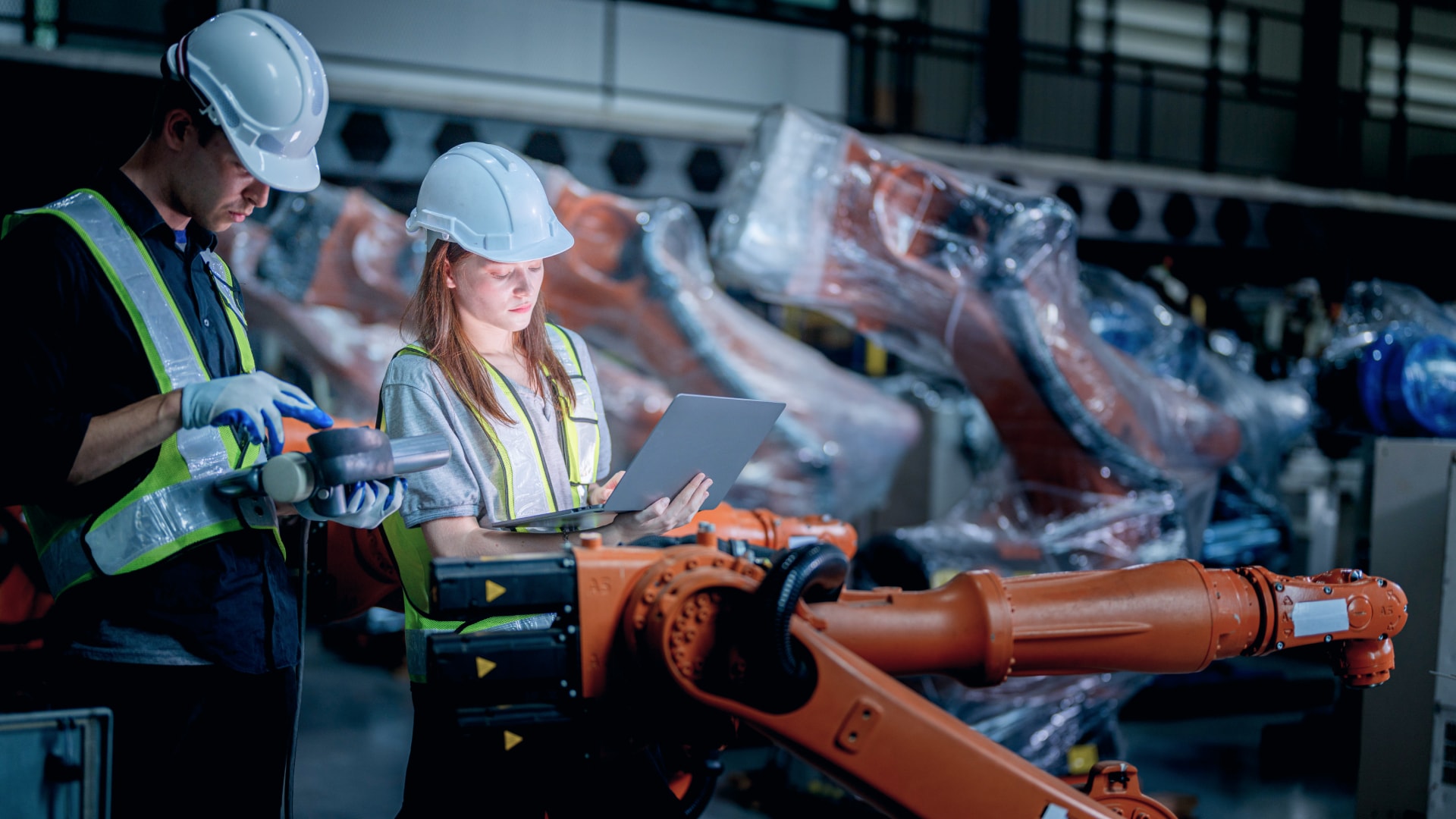
The rise of AI tools has not replaced human expertise. Quite the opposite – it’s enhancing it. By supporting complex analysis, automating repetitive tasks, and surfacing actionable insights, AI empowers supply chain professionals and managers to lead with greater confidence. As supply chains grow more intricate, the ability to make informed, real-time decisions is more critical than ever.
Augmenting Decision Making With Large Language Models
Large language models (LLMs) like ChatGPT and other AI-driven platforms help professionals interpret vast volumes of data quickly. For example, supply chain analysts can ask AI systems to summarize vendor performance, identify delivery delays, or analyze trends from multiple sources. These tools support better decision-making by transforming raw data into strategic recommendations, faster and more accurately than manual methods.
Freeing Time From Repetitive Tasks
Routine tasks such as report generation, shipment tracking, or supplier communication can consume valuable time. AI automates these workflows, allowing professionals to focus on high-value activities like strategic planning and relationship management. With AI handling repetitive work, supply chain managers can focus on optimizing operations and enhancing collaboration across their supply chains.
The Role of Algorithms in Inventory Optimization
Inventory issues – whether overstocking or stockouts – can damage customer trust and increase operational costs. AI tools are now essential for optimizing inventory across supply chains, using intelligent systems to learn from patterns and ensure the right stock is available at the right time.
Learning From Historical Data
Modern AI tools analyze historical data from multiple sources:
- sales
- seasonality
- supplier behavior
- lead times.
This data is used to understand inventory patterns and anticipate future needs, allowing companies to avoid reactive inventory decisions and instead build strategies based on long-term insights. It also supports coordination between supply chain partners, improving visibility and accuracy across supply chains.
Predictive Inventory Replenishment and Alerts
AI-powered systems trigger real-time alerts when stock levels dip below forecasted thresholds or when demand patterns shift unexpectedly. This enables proactive replenishment and supports better collaboration with upstream and downstream supply chain partners. As a result, businesses can reduce waste, lower holding costs, and operate more efficiently within dynamic market conditions.
Overcoming Supply Chain Disruptions With AI Tools
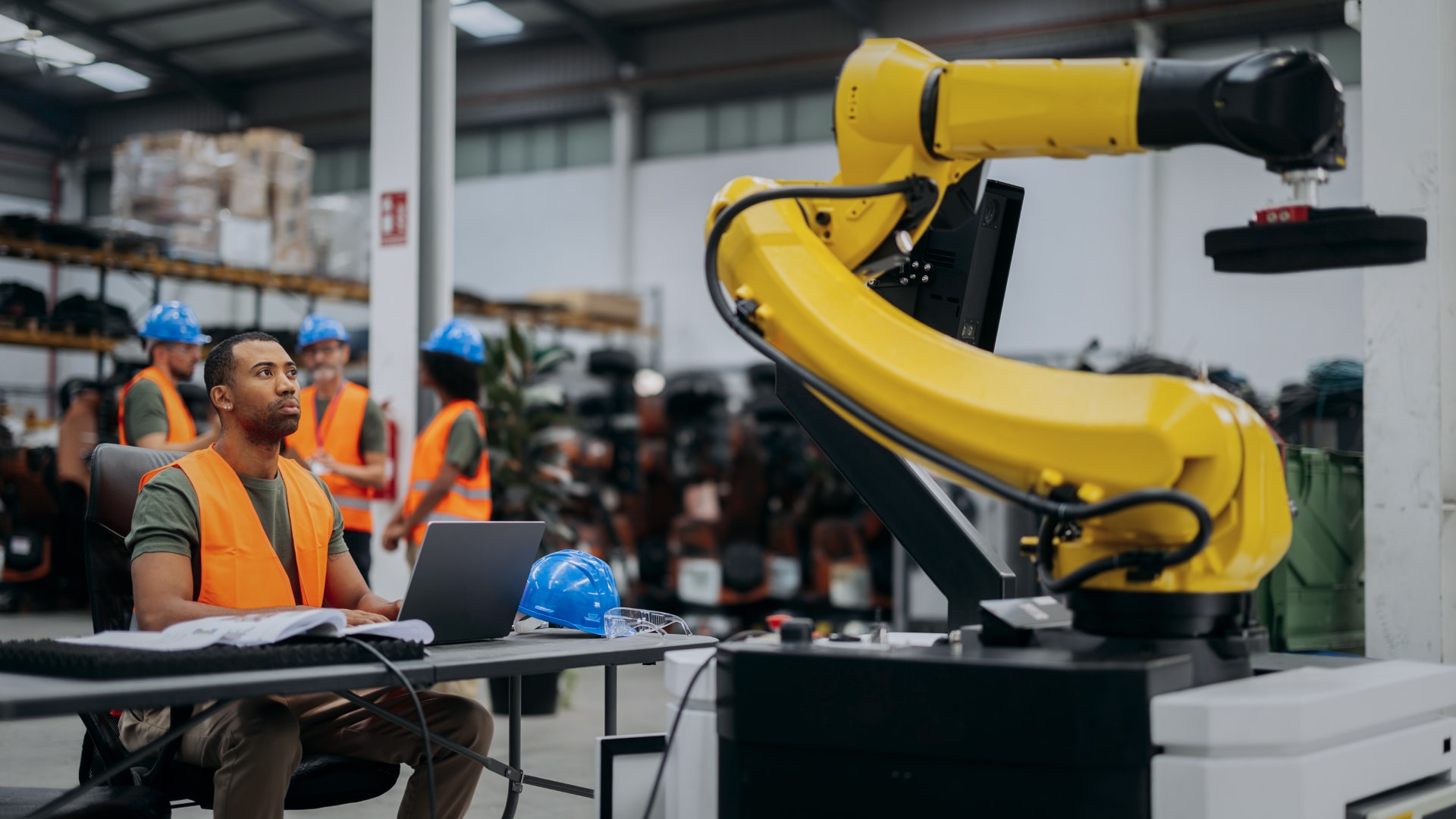
In today’s volatile market, supply chain disruptions can strike from any direction—natural disasters, geopolitical tensions, or sudden demand shifts. AI tools are helping supply chains build resilience by identifying potential risks early and enabling faster, data-driven responses. These technologies reduce reaction time and improve adaptability under pressure.
Early Warning Systems and Predictive Modeling
With advanced monitoring capabilities, AI-powered systems analyze logistics, production, and external factors in real time to forecast disruptions. Whether it’s a storm affecting shipments or a spike in raw material prices, AI tools detect anomalies and trigger alerts. These predictive models support proactive mitigation strategies before a crisis escalates.
Flexibility Through Autonomous Decision-Making
Beyond alerts, AI enables autonomous systems to respond instantly by rerouting shipments, adjusting production schedules, or switching suppliers. This kind of responsive agility helps supply chains continue operating smoothly during uncertain times. As more businesses adopt AI for disruption management, they unlock new levels of operational flexibility and reduce the long-term impact of supply chain disruptions.
Choosing the Right AI Tools and Systems
As AI becomes a central driver of transformation in global supply chains, selecting the right tools and platforms is critical. The wrong solution can lead to high costs, integration issues, or stalled initiatives, while the right one lays the foundation for smarter chain management and a resilient, competitive future. Businesses must assess their unique needs to build a technology stack that aligns with both present goals and long-term ambitions.
Factors to Consider: Scalability, Cost, and Integration
When evaluating AI solutions, companies should prioritize scalability – the system’s ability to grow with increasing data volume, complexity, and global reach. Cost is another major factor, including both upfront investment and total cost of ownership. Seamless integration with existing ERP, WMS, or logistics systems is equally important to ensure minimal disruption and maximum ROI. The most effective technology supports agile chain management, allowing teams to adapt quickly and stay ahead of the curve.
Building an Ecosystem That Supports Long-Term Growth
Successful adoption of AI requires more than a single tool – the whole ecosystem is needed. This includes platforms that support collaboration across teams, suppliers, and systems within supply chains. It also involves training employees, choosing flexible vendors, and planning for the future with ongoing evaluation and updates. A forward-thinking approach helps companies stay competitive in an environment where innovation is constant, and AI is at the heart of what’s next.

Conclusion
AI is actively reshaping global supply chain operations today. From inventory management to forecasting, and from supply chain planning to real-time monitoring, companies across industries are experiencing the profound impact of smart, data-driven tools. As we’ve explored throughout this article, the integration of AI tools and systems leads to more resilient, responsive, and efficient operations.
Businesses that embrace AI gain a powerful advantage: the ability to process vast amounts of data, respond to disruptions proactively, and make informed decisions faster. These capabilities translate into tangible benefits like cost savings, improved collaboration with partners, and greater confidence in future growth.
To remain competitive in a fast-changing global landscape, managers and professionals must treat AI not as a luxury but as a strategic imperative. The time to act is now – adopting the right technologies, nurturing the right skills, and preparing for a smarter, more agile supply chain era.


